
The Role of Luck in Casino Games
Luck is often considered a crucial element in casino gaming, influencing the outcomes of many popular games. In games of chance such as slots, roulette, and craps, players have little to no control over the result. These games are designed to produce random outcomes, leading some to believe that success relies solely on luck. For instance, a player spinning a slot machine may hit the jackpot or walk away empty-handed, completely by chance. This randomness is what makes these games appealing to many, as it offers the thrill of potentially winning big without requiring extensive knowledge or strategy, as seen on 1win where excitement and chance go hand in hand.
Moreover, the concept of luck extends beyond just winning. It also dictates how long players remain engaged in a game. A lucky streak can encourage players to continue gambling, while a series of losses can lead to frustration and early exits. This psychological aspect of luck is crucial; it creates an emotional rollercoaster that can significantly affect a player’s experience, often leading them back to play again in hopes of recapturing that initial fortune. The unpredictability of outcomes keeps players on the edge of their seats, heightening the entertainment value of these games.
That said, luck is not entirely divorced from skill in casino gaming. Even in games dominated by luck, there are factors at play that can be influenced by skill. Understanding betting strategies and bankroll management can help a player maximize their chances of winning, even in games reliant on luck. For example, a player who knows how to manage their funds effectively may prolong their gaming session and increase their opportunities for a lucky break. Therefore, while luck remains a key player in casino gaming, its role is intricately woven with the skillful decisions made by players.
The Importance of Skill in Strategy-Based Games
Skill becomes paramount in strategy-based games such as poker and blackjack, where players can employ tactics and experience to influence the outcome. In poker, for example, players must not only understand the probabilities of their hands but also read their opponents, bluff effectively, and manage their bets wisely. This strategic depth allows skilled players to gain an edge over less experienced competitors, making their skill level a significant aspect of potential success. The ability to adapt to changing dynamics at the table can turn the tide in crucial moments.
In blackjack, players can employ strategies such as card counting to improve their odds against the house. This mathematical skill provides an informed approach, allowing players to make calculated decisions about when to hit, stand, or double down. The ability to apply skillful strategies significantly elevates a player’s chances of coming out ahead, demonstrating that in certain games, skill can triumph over mere luck. Additionally, a skilled player knows when to walk away, avoiding the pitfalls of excessive gambling that can arise from chasing losses.
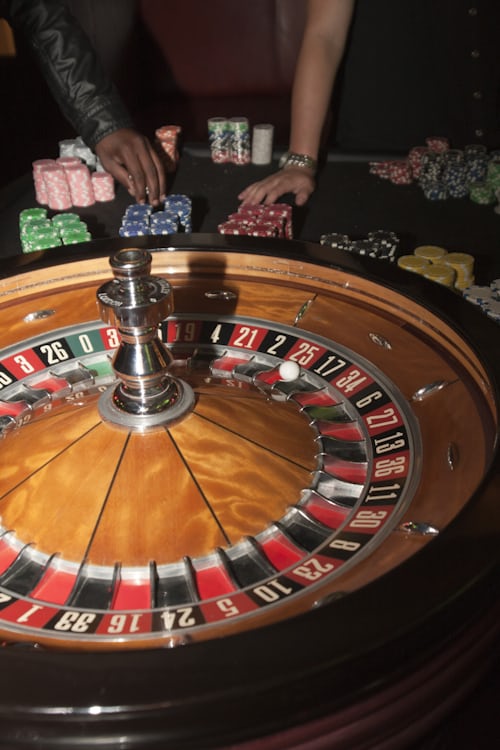
While luck plays a role in every game, skillful players often find themselves with better long-term success. They are likely to make more informed decisions and mitigate losses during inevitable bad luck. In essence, as players hone their skills and develop strategies, they can navigate the uncertainties of luck more effectively, thereby improving their overall gaming experience. This balance between skill and luck creates a rich tapestry of experiences in the gaming world, allowing for both thrilling highs and disappointing lows.
The Balance Between Luck and Skill
The fascinating dynamic between luck and skill becomes a topic of discussion among players and gaming enthusiasts alike. Casino gaming is not a binary choice between luck and skill; rather, it exists on a spectrum where both elements influence the outcome. For instance, in a game like baccarat, while the result is largely determined by chance, understanding the principles of the game can lead to better betting decisions, blending luck with an informed approach. This interplay adds layers of complexity to the gaming experience, making it more engaging.
Furthermore, this balance can vary significantly from one game to another. While machines in a casino might rely heavily on luck, table games often provide avenues for players to apply their skills. This coexistence of both elements ensures that players of varying levels can enjoy the experience, regardless of whether they are relying on luck or employing skillful strategies. The diversity of casino games allows for personal preferences to shape how one approaches gaming, appealing to both casual players and serious enthusiasts alike.
The intricate relationship also reflects broader life lessons about risk and reward, where embracing both luck and skill can lead to success. Casino gaming often mirrors situations in life where opportunity meets preparation. Players who recognize how to navigate this balance may find themselves enjoying more than just the thrill of the game—they can appreciate the journey and the skills they develop along the way. This perspective fosters a more fulfilling approach to gaming, emphasizing personal growth alongside the pursuit of wins.
The Psychological Impact of Luck and Skill
The psychological effects of luck and skill in casino gaming are profound. For many players, luck represents hope, the promise of a big win, and a thrilling escape from daily life. Games of chance are often framed as sensational experiences, where dreams can be realized with a single roll of dice or spin of a reel. This sense of fortune can lead to addictive behaviors, as individuals cling to the excitement that luck brings. The thrill of a potential win taps into fundamental human desires for success and recognition.
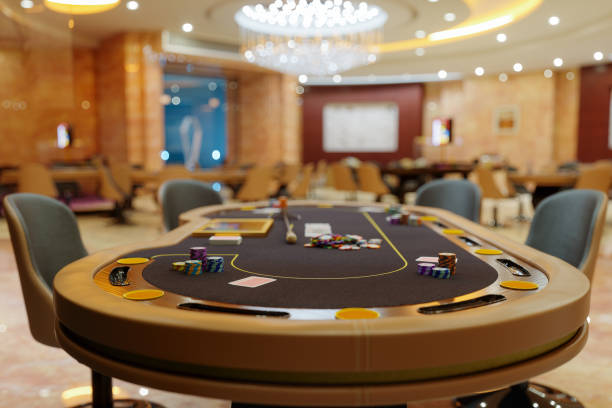
Conversely, skill-based games foster a different psychological framework. Players experience a sense of control and empowerment, believing they can influence their success. This can lead to a sense of accomplishment when they win, reinforcing a positive feedback loop where players seek to improve their skills further. However, it can also create pressure, as players may feel they have to consistently perform well to succeed. This duality of experience can lead to both satisfaction and stress, shaping how players approach their games.
The interplay between these psychological aspects can lead to varied experiences among different players. Those who primarily rely on luck may find joy in spontaneity, while skillful players might seek mastery and improvement. Understanding these psychological factors is essential for both players and casinos alike, as it shapes how games are marketed and enjoyed. By catering to the distinct preferences of different player types, casinos can enhance the overall gaming atmosphere, creating a vibrant community centered around shared experiences.
Your Gaming Experience Starts Here
Understanding the roles of luck and skill in casino gaming can enhance your overall experience. Whether you lean towards games of chance or strategy-based games, recognizing the strengths and weaknesses of each can guide your approach. Engaging with the right mindset allows you to enjoy the thrill of gambling while making informed choices about where and how to play. This awareness empowers players to tailor their experiences to their personal preferences, maximizing enjoyment and satisfaction.
Moreover, becoming more aware of these dynamics can help you develop your own strategies for success, whether that means honing your skills in games like poker or simply enjoying the random excitement of a slot machine. By striking the right balance between luck and skill, you can enrich your gaming experience and increase your chances of walking away with satisfaction, regardless of the outcome. Ultimately, your approach to gaming can shape your experiences, transforming each session into a memorable adventure.
As you navigate the world of casino gaming, consider how both luck and skill play a role in your decisions. Embrace the uncertainty of chance while also seeking to improve your skills where applicable. This balanced perspective will not only enhance your enjoyment but also foster a deeper appreciation for the intricate dance between luck and skill that defines the casino experience. By understanding these elements, you can become a more informed player, enjoying the games while making the most of your time spent in gaming venues.